
It is time to arrange home care for a parent when everyday tasks such as taking medication, washing, eating or moving around safely start to slip. This checklist from Quality Healthcare Solutions sets out the 10 signs families notice most often.
Quality Healthcare Solutions is a CQC-regulated provider rated Good, supporting older people across Havering from our Hornchurch office. Small changes usually appear months before a crisis, and spotting them early gives your family more choice.
One sign alone is rarely a reason to worry. Two or three together, or any sign that affects safety, suggest home care for a parent is worth discussing now.
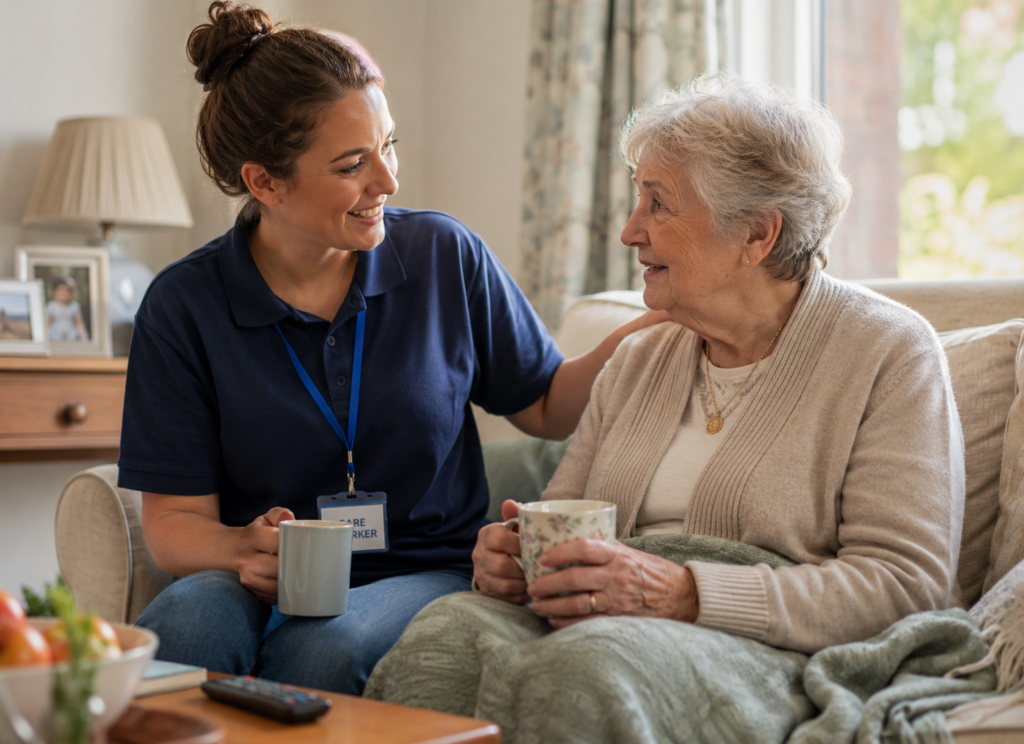
What are the 10 signs an elderly parent needs help at home?
The 10 signs fall into two groups: five that affect safety and health, and five that affect daily living. On your next visit, note each one you have seen in the last three months. Keep a short dated record, because a pattern over several weeks tells you more than one bad day.
Which safety and health signs matter most?
1. Missed or muddled medication
Missed doses are the sign to act on first, because the effects build quickly. Check for full pill packs, doubled doses or prescriptions that were never collected. A carer can prompt or give medication at set times each day.
2. Falls or near misses
A fall, or the fear of one, is a clear reason to arrange support. Look for unexplained bruises, new unsteadiness or a parent who holds furniture to cross a room. The NHS advises seeing a GP after any fall.
3. Weight loss or poor eating
An empty fridge, out-of-date food or looser clothes suggest cooking has become too hard. Regular mealtime visits restore routine and make sure your parent eats and drinks enough.
4. Memory lapses and confusion
Repeated questions, missed appointments or getting lost on familiar routes need a GP check. If dementia is diagnosed, specialist dementia care supports your parent in the surroundings they know best.
5. Declining personal hygiene
Unwashed hair, body odour or the same clothes for days often mean bathing feels unsafe. Many parents hide this out of embarrassment. Discreet help with washing and dressing protects dignity and skin health.
Which daily living signs show a parent is struggling?
6. Isolation and loneliness
A parent who has dropped hobbies, stopped seeing friends or rarely leaves the house is at risk of low mood and faster decline. Loneliness also makes other signs harder to spot, because fewer people see your parent each week. Companionship visits and trips out rebuild confidence.
7. A neglected home
Dishes piling up, unwashed laundry, clutter on the stairs and scorched pans show daily tasks are slipping. Our elderly care service covers light housework, laundry and shopping alongside personal care.
8. Unopened post and unpaid bills
Reminder letters, unpaid bills or unusual payments suggest paperwork has become overwhelming. They also leave an older person open to scams, so raise this gently and early.
9. Changes in mood or personality
Unusual irritability, anxiety or loss of interest can signal pain, depression or early dementia. Mention any lasting change to the GP.
10. You are struggling as the family carer
Your own exhaustion counts as a sign. If you are missing work, losing sleep or worrying every night, regular visits or respite care share the load before your health suffers.
What should you do if you spot these signs?
Follow five steps to arrange home care for a parent without a crisis:
- Write down what you have seen and when. Dates help the GP and care assessors.
- Talk to your parent at a calm time. Ask what they find hardest.
- Book a GP appointment to rule out treatable causes.
- Request a free care needs assessment from Havering Council on 01708 432000.
- Contact our Hornchurch team for a free care assessment at home.
Frequently asked questions
How many signs mean it is time to arrange home care for a parent?
Two or three signs together are enough to start the conversation. A single safety sign, such as a fall or missed medication, is enough to act straight away.
What if my parent refuses help?
Start small. A short visit for shopping or cleaning is easier to accept than personal care, and trust builds from there.
Does my parent need a diagnosis to get home care?
No. Care is arranged around daily needs, not a medical label. A council care needs assessment is free and open to anyone who appears to need support.
Is home care better than a care home?
Home care suits a parent who is safe at home with support and wants to keep their routine. A care home may suit someone who needs nursing care through the night.
Conclusion
Missed medication, falls, isolation and declining hygiene are the clearest signs that home care for a parent is needed. Acting on early signs keeps your parent safer and gives the whole family more choice. Use the checklist, speak to the GP, and book a free care assessment through our contact page.
Contact Quality Healthcare Solutions
Address: 184 Hornchurch Rd, Hornchurch RM11 1QL, United Kingdom
Phone: +44 1708 301111